
 admin
admin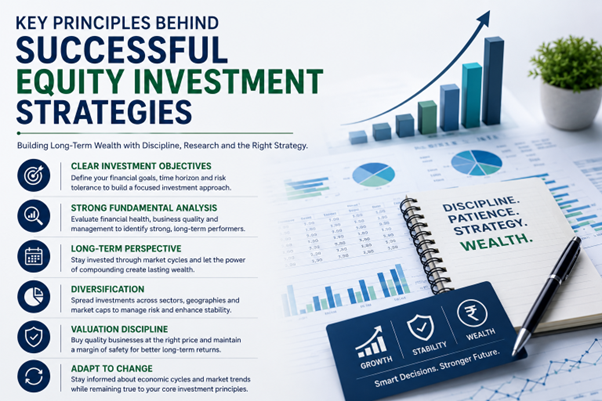
Equity investing remains one of the most effective methods for building long-term wealth and achieving sustainable financial growth. Successful investors understand that stock markets are influenced by economic cycles, corporate performance, investor sentiment, and global developments. We approach equity investing with discipline, research, and a long-term perspective to maximise returns while managing risk effectively.
A well-structured Japan equity fund often demonstrates how regional expertise, diversification, and disciplined stock selection can create strong long-term value for investors. By focusing on quality businesses and strategic allocation, investors can benefit from both growth opportunities and market resilience.
At the core of successful equity investment strategies lies the ability to balance risk and return through informed decision-making, consistent analysis, and adaptable portfolio management. Effective strategies are built not on speculation, but on clear principles that guide investment decisions across changing market conditions.
Establishing Clear Investment Objectives
Every successful investment strategy begins with clearly defined objectives. Without a structured direction, investment decisions can become inconsistent and reactive to short-term market movements.
We begin by identifying:
- Desired financial outcomes
- Investment time horizon
- Income versus growth priorities
- Acceptable levels of risk
Clear objectives create a framework for decision-making and help maintain discipline during periods of market volatility.
Long-term investors often prioritise capital appreciation and compounding returns, while others may focus on generating steady income through dividends. Understanding these goals ensures that portfolio construction aligns with overall financial needs.
The Importance of Fundamental Analysis
Fundamental analysis is one of the most critical principles in successful equity investing. It involves evaluating the financial strength, operational performance, and long-term growth potential of companies.
Evaluating Financial Health
We assess key financial indicators such as:
- Revenue growth
- Profit margins
- Cash flow generation
- Debt levels
Companies with strong balance sheets and stable earnings are generally more resilient during economic downturns.
Understanding Business Models
A company’s long-term success depends heavily on the sustainability of its business model. We prioritise businesses that demonstrate:
- Competitive advantages
- Strong market positioning
- Scalable operations
- Innovation capabilities
These qualities often contribute to durable profitability and shareholder value creation.
Assessing Management Quality
Leadership plays a crucial role in corporate success. Effective management teams typically exhibit:
- Strategic vision
- Strong execution capabilities
- Transparent communication
- Responsible capital allocation
Investing in companies led by capable management improves the likelihood of consistent long-term performance.
Maintaining a Long-Term Perspective
One of the defining characteristics of successful investors is patience. Markets naturally experience short-term fluctuations, but long-term wealth creation often depends on the ability to remain committed through different economic cycles.
Power of Compounding
Long-term investing allows returns to compound over time, significantly enhancing portfolio growth. Reinvested dividends and sustained earnings growth contribute to exponential value creation.
Avoiding Emotional Decision-Making
Fear and greed frequently drive poor investment decisions. Investors who react emotionally to market volatility may:
- Sell quality assets during downturns
- Chase speculative trends during market rallies
Maintaining a disciplined, long-term approach reduces the impact of emotional biases and improves consistency.
Diversification as a Risk Management Tool
Diversification is a fundamental principle that helps reduce portfolio risk while preserving growth potential.
Sector Diversification
Allocating investments across multiple industries protects portfolios from sector-specific downturns. A balanced portfolio may include exposure to:
- Technology
- Healthcare
- Consumer goods
- Industrial companies
- Financial services
This approach reduces reliance on the performance of any single industry.
Geographic Diversification
Global diversification provides access to opportunities across international markets while reducing exposure to country-specific risks.
Market Capitalisation Balance
Combining large-cap, mid-cap, and small-cap stocks creates a more balanced portfolio. Larger companies often provide stability, while smaller firms may offer higher growth potential.
Valuation Discipline and Buying at the Right Price
Even strong companies can become poor investments if purchased at excessive valuations. Successful investors maintain discipline when evaluating stock prices relative to intrinsic value.
Common Valuation Metrics
We use several valuation methods, including:
- Price-to-earnings ratios
- Price-to-book ratios
- Discounted cash flow analysis
- Free cash flow yield
These tools help determine whether a stock is undervalued, fairly valued, or overpriced.
Margin of Safety
Buying stocks with a margin of safety reduces downside risk. This principle ensures that investors do not rely solely on optimistic growth assumptions to justify valuations.
Valuation discipline becomes especially important during periods of market exuberance, when speculative behaviour can inflate asset prices beyond sustainable levels.
Adapting to Market Cycles and Economic Conditions
Markets evolve continuously in response to economic, political, and technological changes. Successful equity strategies remain adaptable while maintaining core investment principles.
Understanding Economic Cycles
Different sectors perform differently across economic cycles. For example:
- Consumer discretionary stocks may thrive during economic expansion
- Defensive sectors such as healthcare may perform better during downturns
Recognising these patterns helps optimise portfolio positioning.
Monitoring Macroeconomic Trends
We closely analyse:
- Interest rates
- Inflation trends
- Currency movements
- Central bank policies
These factors influence corporate profitability, investor sentiment, and market valuations.
Responding Without Overreacting
Adaptability does not mean constant trading. Instead, it involves making thoughtful adjustments based on meaningful changes in fundamentals or market conditions.
Risk Management and Capital Preservation
Preserving capital is just as important as generating returns. Effective risk management protects portfolios during volatile market periods and supports long-term sustainability.
Position Sizing
Proper position sizing prevents excessive exposure to individual investments. Even high-conviction ideas should remain within defined allocation limits.
Liquidity Considerations
Investors should ensure that portfolio holdings can be bought or sold efficiently without significantly impacting prices.
Continuous Portfolio Monitoring
Regular portfolio reviews help identify:
- Underperforming investments
- Changing market conditions
- Emerging risks
This ongoing oversight improves decision-making and enhances resilience.
The Role of Innovation and Technology in Equity Investing
Modern equity investing increasingly relies on technology and data-driven analysis to improve decision-making.
Advanced Analytics
Investors now utilise:
- Quantitative research models
- Artificial intelligence tools
- Real-time market analytics
These technologies enhance the ability to identify trends and evaluate opportunities.
Access to Information
The availability of financial data has increased market transparency, enabling investors to make more informed decisions. However, filtering relevant insights from excessive information remains critical.
Building Consistency Through Discipline
Consistency is one of the most overlooked yet essential principles in successful investing. Sustainable performance is rarely achieved through isolated wins or speculative trades.
Developing a Repeatable Process
We focus on creating a structured investment framework that includes:
- Research-driven analysis
- Defined valuation criteria
- Risk management protocols
- Long-term strategic planning
A repeatable process improves objectivity and reduces impulsive behaviour.
Learning from Market Experience
Markets constantly evolve, and successful investors continuously refine their strategies based on experience, research, and changing conditions.
The Principles That Drive Long-Term Investment Success
Successful equity investing is built on a foundation of discipline, research, patience, and adaptability. By focusing on high-quality businesses, maintaining diversification, applying valuation discipline, and managing risk effectively, investors can navigate complex market environments with greater confidence.
The most effective strategies are not based on short-term speculation or market timing. Instead, they rely on consistent principles that support sustainable growth and long-term wealth creation. Through careful planning and disciplined execution, investors can build resilient portfolios capable of delivering strong performance across varying economic conditions.